
 English
  Turkce
  Deutsch
  Francais
  Russkij
  العربية
  Espanol
  Italiano
  Nederlands
  Balgarski
  Romana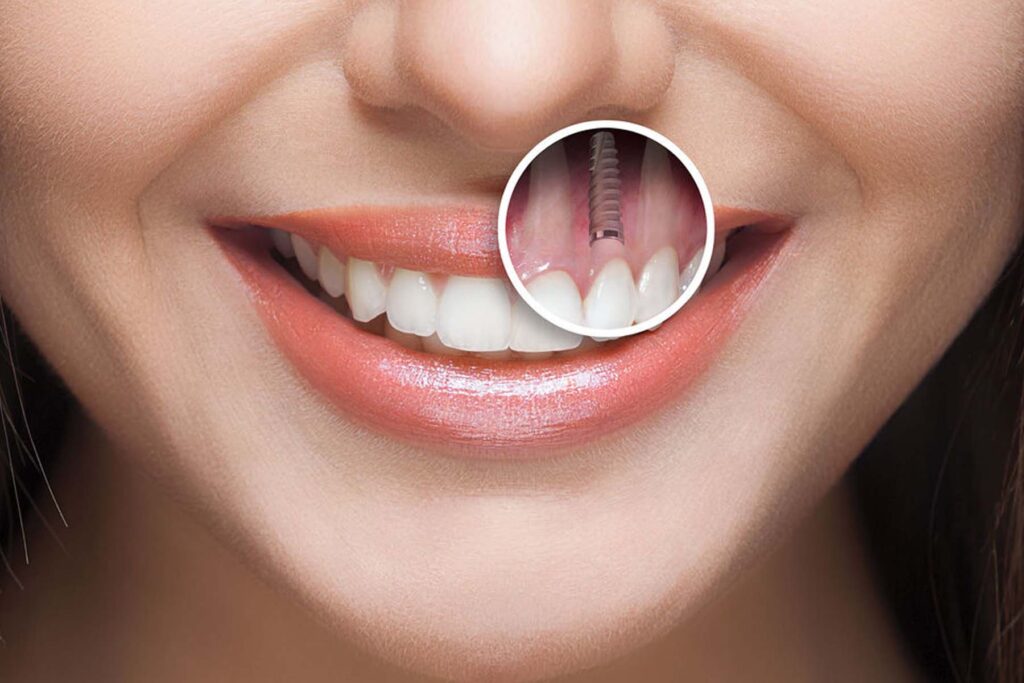
When considering options for restoring your smile, the debate of implants vs dentures often comes into play. Dental implants are a popular choice for their durability and longevity, while dentures offer a more traditional solution. Each option has its own set of benefits and challenges regarding cost, maintenance, and aesthetics. Understanding the nuances between these two alternatives is essential in determining which is right for you. In this post, we will explore the key differences in depth to help you make an informed decision.
Understanding Dental Implants
Dental implants serve as a popular solution for tooth replacement, offering a long-lasting option for individuals facing tooth loss. Understanding the core components and benefits of dental implants can help you make an informed choice when comparing implants vs dentures.
Components of Dental Implants:
- Implant Fixture: A small titanium post surgically embedded into the jawbone, acting as a root.
- Abutment: A connector placed on the implant fixture, which supports the crown.
- Crown: The visible part of the implant that resembles a natural tooth.
Benefits of Dental Implants:
- Longevity: Implants can last a lifetime with proper care, significantly outlasting traditional dentures.
- Bone Health: Implants stimulate the jawbone, preventing bone loss, a common issue associated with missing teeth.
- Comfort and Functionality: They offer a secure fit, allowing for normal eating and speaking without the discomfort of removable dentures.
- Aesthetics: Dental implants resemble natural teeth, enhancing both smiles and self-confidence.
Comparison Snapshot: Implants vs Dentures
| Feature | Dental Implants | Dentures |
|---|---|---|
| Durability | High (Lifetime) | Moderate (5-10 years) |
| Bone Health | Preserves jawbone | May cause bone loss |
| Comfort | Custom-fit and secure | Removable, may shift |
| Aesthetic Appeal | Natural-looking | May appear less natural |
By evaluating these aspects, you'll be better equipped to decide between implants vs dentures based on your specific needs.
Exploring Dentures
Dentures offer a reliable and cost-effective solution for individuals with missing teeth. They are removable appliances designed to restore function and aesthetics, significantly improving the quality of life for wearers.
Types of Dentures
- Complete Dentures: These are suitable for individuals who have lost all their teeth in either the upper or lower jaw.
- Partial Dentures: Used when some natural teeth remain, partial dentures replace missing teeth and can be anchored to those existing teeth.
Advantages of Dentures
- Affordability: Typically less expensive than implants, making them a more accessible option for many.
- Immediate Results: Patients can receive dentures shortly after tooth extraction, allowing for quicker restoration of appearance and function.
- Easy Maintenance: Unlike implants, dentures require less invasive care. A simple daily cleaning routine suffices to keep them in good shape.
Limitations of Dentures
- Fit and Comfort: Some wearers may find dentures uncomfortable or experience slippage.
- Durability: Compared to implants, dentures may need replacement or adjustments over time due to wear.
In the Implants vs Dentures debate, considering your lifestyle, budget, and dental health is crucial. Both options have their benefits and drawbacks, but dentures provide an immediate, cost-effective solution for many.
Comparing Durability and Longevity
When considering Implants vs Dentures, one of the most critical factors to evaluate is their durability and longevity. Here’s a breakdown of how each option stacks up:
Durability
- Dental Implants: These are designed to last for many years, often for a lifetime with proper care. Made from titanium, they fuse with the jawbone, providing stability and strength.
- Dentures: While modern dentures are durable and can last several years, they are not as robust as implants. Over time, they may wear down and require adjustments or replacements.
Longevity
| Feature | Dental Implants | Dentures |
|---|---|---|
| Lifespan | 10-15 years, potentially longer | 5-10 years |
| Maintenance | Requires regular oral hygiene; minimal adjustments | Requires regular cleaning; adjustments needed often |
| Bone Health | Stimulates bone growth | Can lead to bone loss over time |
Summary
Overall, implants vs dentures shows that implants offer greater durability and an overall longer lifespan, while dentures, although effective, require more frequent replacements and adjustments. Thus, if longevity is a primary concern, dental implants may be the superior choice.
Evaluating Cost and Maintenance
When considering Implants vs Dentures, it’s essential to assess both the initial costs and long-term maintenance associated with each option. Here’s a breakdown to help you make an informed decision.
Maintenance Considerations
- Implants:
- Require regular dental check-ups.
- Daily oral hygiene is crucial, similar to natural teeth.
- Generally last a lifetime with proper care.
- Dentures:
- Require daily cleaning and soaking.
- Must be replaced every 5 to 10 years, adding to long-term costs.
- Might need adjustments over time as your mouth changes.
In conclusion, while Implants vs Dentures presents a notable difference in upfront costs, when you factor in the longevity and maintenance, implants may ultimately prove more cost-effective. By understanding these financial implications, you can make a choice that aligns with your budget and dental health needs.
Assessing Aesthetic Outcomes
When considering Implants vs Dentures, aesthetic outcomes play a crucial role in decision-making. Both options aim to restore the natural appearance of your smile, but they differ significantly in how they achieve this goal.
Implants
- Natural Appearance: Dental implants consist of a titanium post embedded into the jawbone, topped with a ceramic crown. This combination mimics the look and function of natural teeth.
- Bone Preservation: Implants integrate with the bone over time, preventing bone loss, which helps maintain facial structure and avoids the sunken look often associated with missing teeth.
- Stability: Since implants are firmly anchored, they do not shift or slip, ensuring a consistent and confident smile during all activities.
Dentures
- Variety of Options: Available as full or partial dentures, these removable appliances can restore your smile but may not achieve the same natural look as implants.
- Appearance Changes: Dentures can sometimes lead to changes in facial aesthetics over the years due to jawbone resorption, which may affect your overall profile.
- Potential for Movement: Some wearers may experience slipping or movement, which could cause self-consciousness in social situations.
In conclusion, when assessing aesthetic outcomes, dental implants generally provide superior results compared to dentures, creating a more natural look and feel. They stand out as a strong contender in the Implants vs Dentures discussion for achieving a beautiful smile.