
 English
  Turkce
  Deutsch
  Francais
  Russkij
  العربية
  Espanol
  Italiano
  Nederlands
  Balgarski
  Romana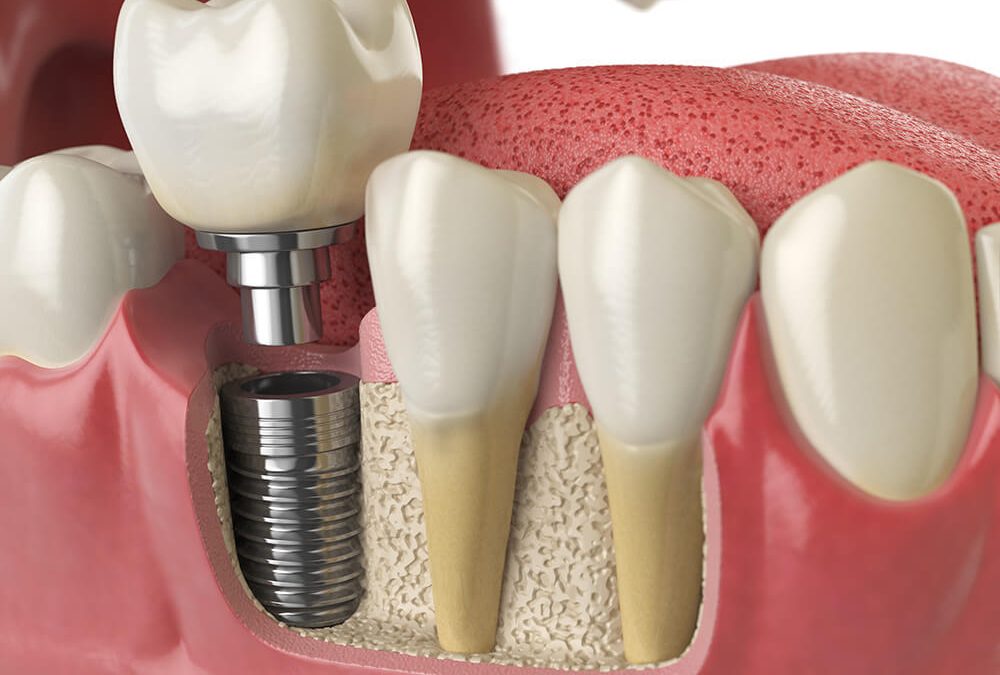
Dental implants have revolutionized the way we approach tooth replacement, offering a durable and aesthetically pleasing solution for those with missing teeth. This ultimate guide explores everything you need to know about dental implants, including types, benefits, the procedure itself, and essential aftercare. Understanding potential risks, complications, and cost factors will also aid in making informed decisions about this popular dental option. Whether you're considering implants for the first time or looking to enhance your knowledge, this guide serves as a comprehensive resource for all aspects of dental implants.
Understanding Dental Implants: Types and Benefits
Dental implants serve as an excellent solution for replacing missing teeth, restoring both function and aesthetics. They consist of a titanium post surgically implanted into the jawbone, acting as a replacement root. Here are the primary types and their benefits:
Types of Dental Implants
- Endosteal Implants:
- Most common type.
- Surgically placed into the jawbone.
- Suitable for patients with adequate jawbone density.
- Subperiosteal Implants:
- Placed under the gum but above the jawbone.
- Ideal for patients with minimal bone structure who cannot undergo bone grafting.
Benefits of Dental Implants
- Natural Appearance: Dental implants closely resemble natural teeth, offering a seamless look and feel.
- Improved Functionality: They restore chewing and speaking capabilities, allowing for a better quality of life.
- Durability: With proper care, dental implants can last a lifetime, making them a cost-effective long-term solution.
- Bone Preservation: Implants stimulate jawbone growth, preventing the bone loss often associated with missing teeth.
- Enhanced Confidence: By restoring your smile, dental implants boost self-esteem and overall confidence.
In summary, understanding the types and benefits of dental implants is crucial when considering tooth replacement options. With their robust functionality and aesthetic appeal, dental implants stand out as a preferred choice for many individuals seeking to restore their smiles.
The Dental Implant Procedure: What to Expect
Undergoing the dental implant procedure can be a straightforward experience when well-prepared. Here’s a step-by-step breakdown of what patients typically encounter:
- Initial Consultation:
- Your dentist will evaluate your oral health, review your medical history, and take necessary images (like X-rays).
- They will also discuss your expectations and treatment options.
- Treatment Planning:
- A customized treatment plan will be developed, taking into account the type and number of dental implants you need.
- This plan can involve coordinating with other specialists, such as oral surgeons.
- Implant Placement:
- The procedure usually occurs under local anesthesia or sedation.
- The dentist places the titanium implant into the jawbone, which acts as a tooth root.
- Healing Period:
- Osseointegration (bone healing) begins, lasting several months. This step is crucial as the bone fuses with the implant, ensuring long-term stability.
- Abutment Placement:
- Once healing is complete, an abutment is attached to the implant. This small connector will hold the crown in place.
- Crown Placement:
- Finally, a custom-made crown is placed on the abutment, offering a natural appearance and functionality.
By knowing what to expect during the dental implant procedure, you can reduce anxiety and prepare for a successful outcome. Remember, with proper care and maintenance, your dental implants can last a lifetime.
Aftercare and Maintenance for Dental Implants
After receiving dental implants, proper aftercare and maintenance play a crucial role in ensuring their longevity and success. Below are key practices to help you maintain your implants effectively:
- Oral Hygiene:
- Brush your teeth at least twice a day using a soft-bristled toothbrush.
- Floss daily, especially around the implant area, to prevent plaque buildup.
- Regular Dental Check-ups:
- Schedule regular visits to your dentist for check-ups and professional cleanings.
- These appointments help monitor the health of your dental implants and surrounding tissues.
- Dietary Considerations:
- Avoid hard or sticky foods immediately after the procedure and during the initial healing phase.
- Emphasize a balanced diet rich in calcium and vitamins to support overall oral health.
- Avoid Tobacco Products:
- Smoking can impede healing and increase the risk of implant failure, so quitting is highly recommended.
Comparison of Maintenance Needs
| Aspect | Natural Teeth | Dental Implants |
|---|---|---|
| Cleaning Frequency | Twice daily | Twice daily + Flossing |
| Professional Care | Every 6-12 months | Every 6-12 months |
| Dietary Restrictions | Limited (if sensitive) | Avoid hard/sticky foods initially |
| Risk Factors | Decay, gum disease | Infection, peri-implantitis |
Adhering to these aftercare and maintenance guidelines will significantly enhance the durability of your dental implants, ensuring they serve you well for many years. Taking proactive steps post-procedure not only maintains your investment but also contributes to your overall oral health.
Potential Risks and Complications of Dental Implants
While dental implants offer numerous benefits, it's essential to recognize potential risks and complications. Understanding these can help you make an informed choice. Here are a few key considerations:
- Infection: One of the most common risks associated with dental implants is infection at the implant site. Proper oral hygiene and following post-operative care instructions can reduce this risk.
- Nerve Damage: In some cases, the placement of the implant can cause nerve injury, resulting in numbness or tingling in the gums, lips, or chin. Selecting an experienced surgeon can minimize this risk.
- Sinus Problems: For implants placed in the upper jaw, there may be a risk of the implant protruding into the sinus cavity, leading to sinus issues.
- Implant Failure: Although the success rate for dental implants is high, factors such as bone quality, oral health, and smoking can contribute to implant failure, necessitating additional procedures.
Comparison of Risks
| Risk | Description | Prevention Strategy |
|---|---|---|
| Infection | Localized infection around the implant | Maintain oral hygiene; follow care guidelines |
| Nerve Damage | Damage to nearby nerves during placement | Choose a skilled dental professional |
| Sinus Problems | Issues arising from the upper jaw implant | Conduct thorough imaging pre-surgery |
| Implant Failure | The implant does not integrate with the jawbone | Regular dental follow-ups and lifestyle adjustments |
Understanding the potential risks and complications of dental implants allows patients to weigh their options effectively, ensuring satisfaction and long-term success.
Cost Factors and Insurance Coverage for Dental Implants
When considering Dental Implants, understanding the cost and insurance coverage is crucial. The expenses associated with dental implants vary widely based on several factors:
- Location: Prices differ significantly depending on your geographical location. Urban areas may have higher costs due to increased demand.
- Type of Implant: The choice of materials (titanium vs. zirconia) and the type of implant can affect pricing.
- Specialist Fees: Surgeons and dental specialists often charge differing rates. Oral surgeons and periodontists typically command higher fees.
- Additional Procedures: Many patients require preliminary treatments like bone grafting or sinus lifts, adding to the overall cost.
Insurance Coverage
Most dental insurance plans cover a portion of Dental Implants, but coverage varies:
- Eligibility: Not all plans include implants; reviewing your policy is essential.
- Coverage Percentage: Insurance might cover 50%–80% of the allowable costs, excluding elective procedures.
- Pre-Authorization: Patients may need pre-approval for their benefits before the procedure.
Understanding these cost factors and navigating insurance coverage can help you make informed decisions about your dental implants.